
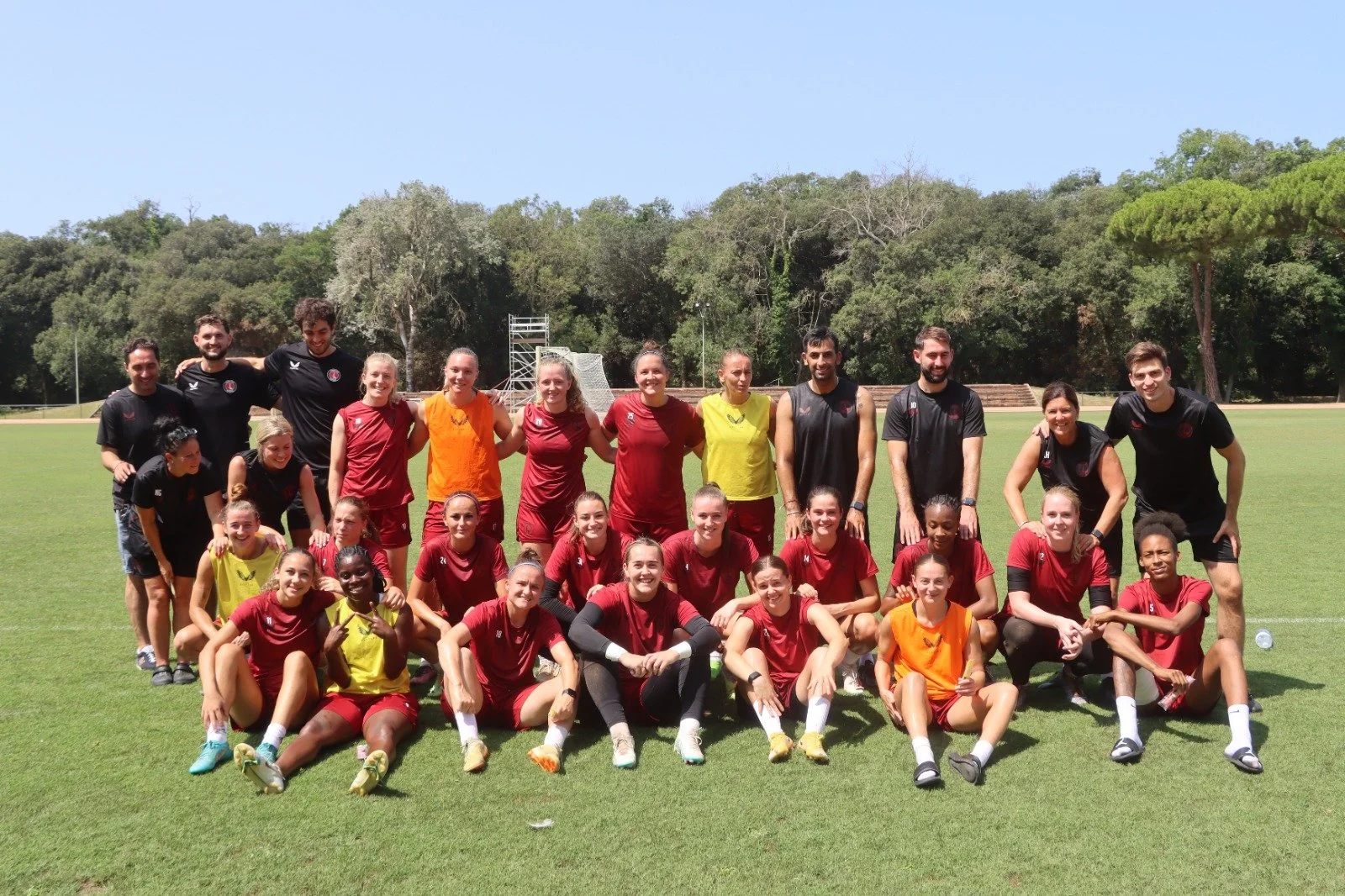
Working at Charlton Athletic in Player Care and Operations was an experience unlike any other — a chapter that brought together everything I had learned in previous roles, while opening my eyes to new ways of supporting people within a football club.
It reminded me, in some ways, of my time as General Manager at Catania Women, where I worked systematically to support players in every aspect of their daily lives: their housing, utilities, car rentals, language courses for foreign athletes, and all the practical and emotional needs that help someone feel at home in a new city, a new culture, a new team.
But at Charlton, and later at London City Lionesses, I discovered something different — a deeper, more structured approach to detail, especially around community, welfare, and safeguarding.
Working closely with athletes, I learned how much stability and clarity matter.
A player doesn’t perform because things “go well”; they perform because the world around them is organised, safe, predictable and supportive.
My work involved anticipating needs, solving problems before they appeared, coordinating logistics, and being present during those small daily moments that can change how an athlete feels.
Charlton’s culture, rooted in history and community, showed me a new dimension of care: how a club should interact not only with players, but with the environment around them — families, local networks, schools, the fanbase, and the wider community.
This is where I deepened my understanding of safeguarding, not as a policy, but as a responsibility:
protecting people, creating trust, and building an environment where everyone feels seen and safe.
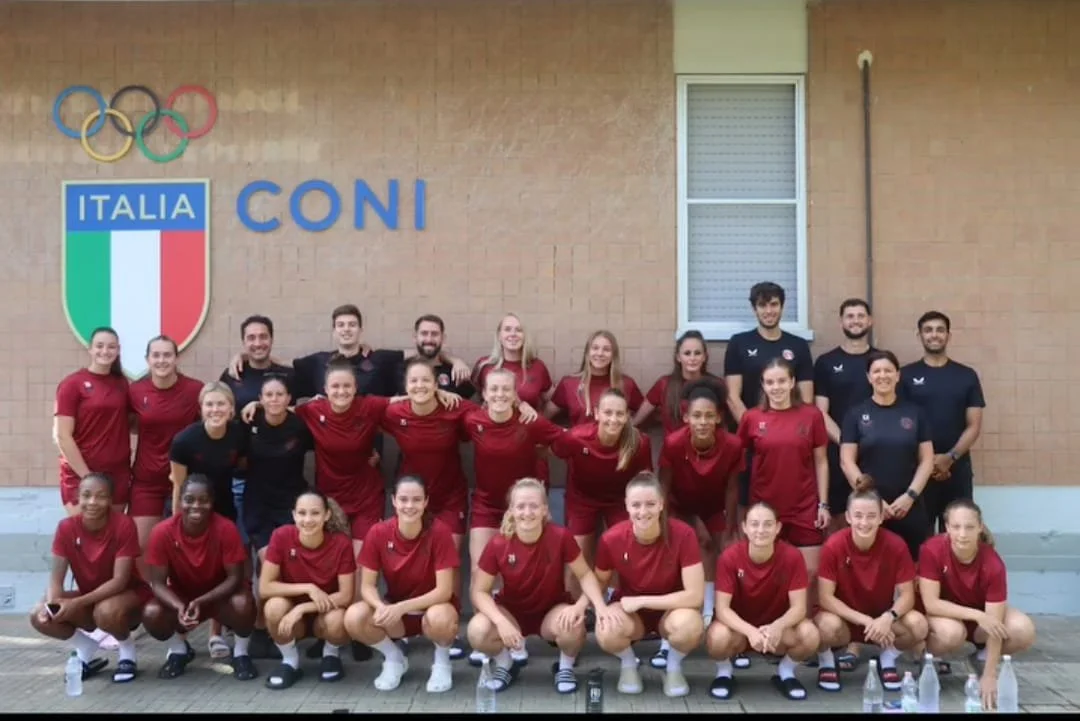
“Behind every strong team there is an invisible framework — the operations, the planning, the support system — that allows players to focus on the game'“
At Charlton, I realised how interconnected everything is:
structure creates wellbeing,
wellbeing creates performance,
performance strengthens identity.
And behind every strong team there is an invisible framework — the operations, the planning, the support system — that allows players to focus on the game.
My time there taught me how to balance empathy and professional distance, organisation and instinct, problem-solving and human connection.
It was a place that shaped my understanding of what modern football needs behind the scenes.
These lessons are now part of DS Football Consulting:
A vision where structure and humanity are not separate worlds, but the foundation upon which a club grows.
“Player care is not about individual actions;
it is about building a system that supports the growth of the entire team.”